
Textiles Manufacturing
UK textiles manufacturers face the challenge of preserving heritage and quality while tackling rising energy costs, global competition, and growing demands for sustainable supply chains.
From technical fabrics to luxury woollens, the goal is clear: cut energy use and carbon emissions without compromising performance. We support textile manufacturers and their supply chains to take control of energy, cut costs, and meet their net zero commitments with confidence.
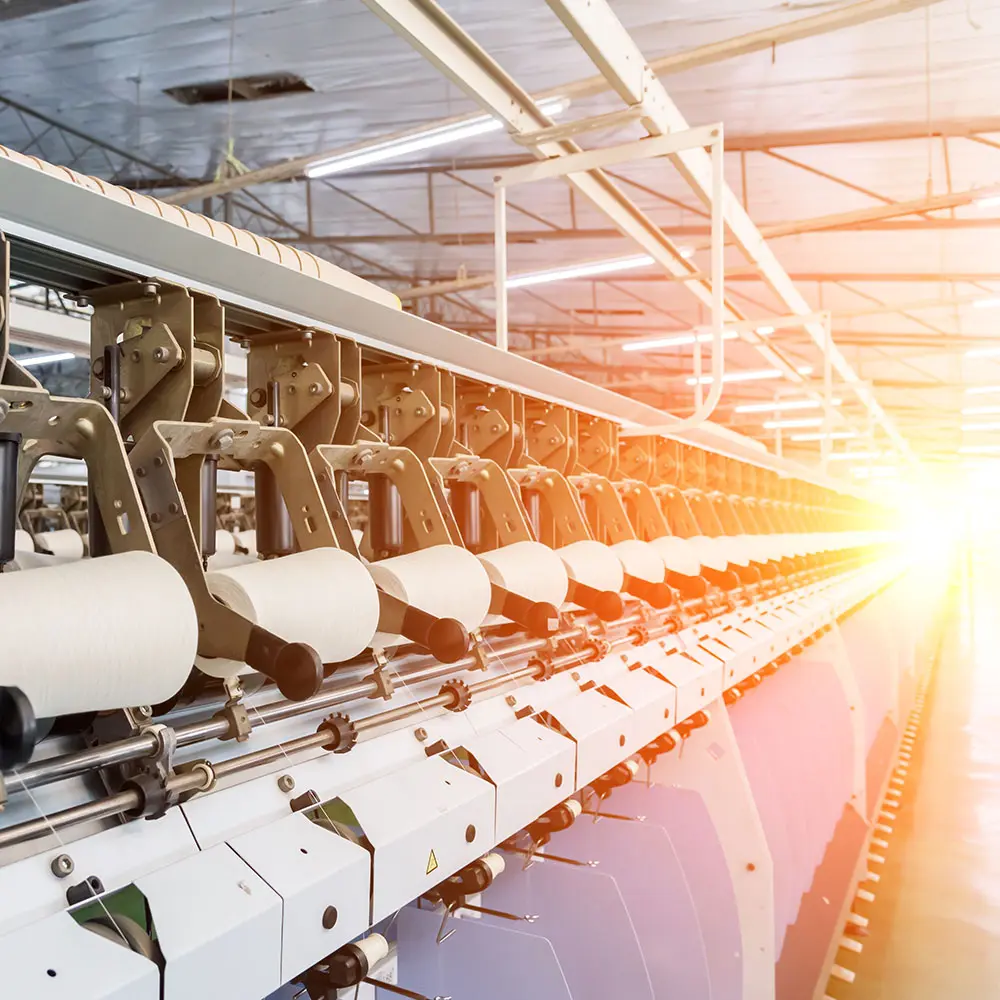




Collectively, textiles are responsible for around 5% to 10% of global greenhouse gas emissions, that’s more than shipping and aviation combined.
Massachusetts Institute of Technology
Over 4,200 textile manufacturers in the UK
The UK has a strong textile heritage, producing apparel, home and interior fabrics, as well as technical textiles and performance fabrics for medical, defence and aerospace.
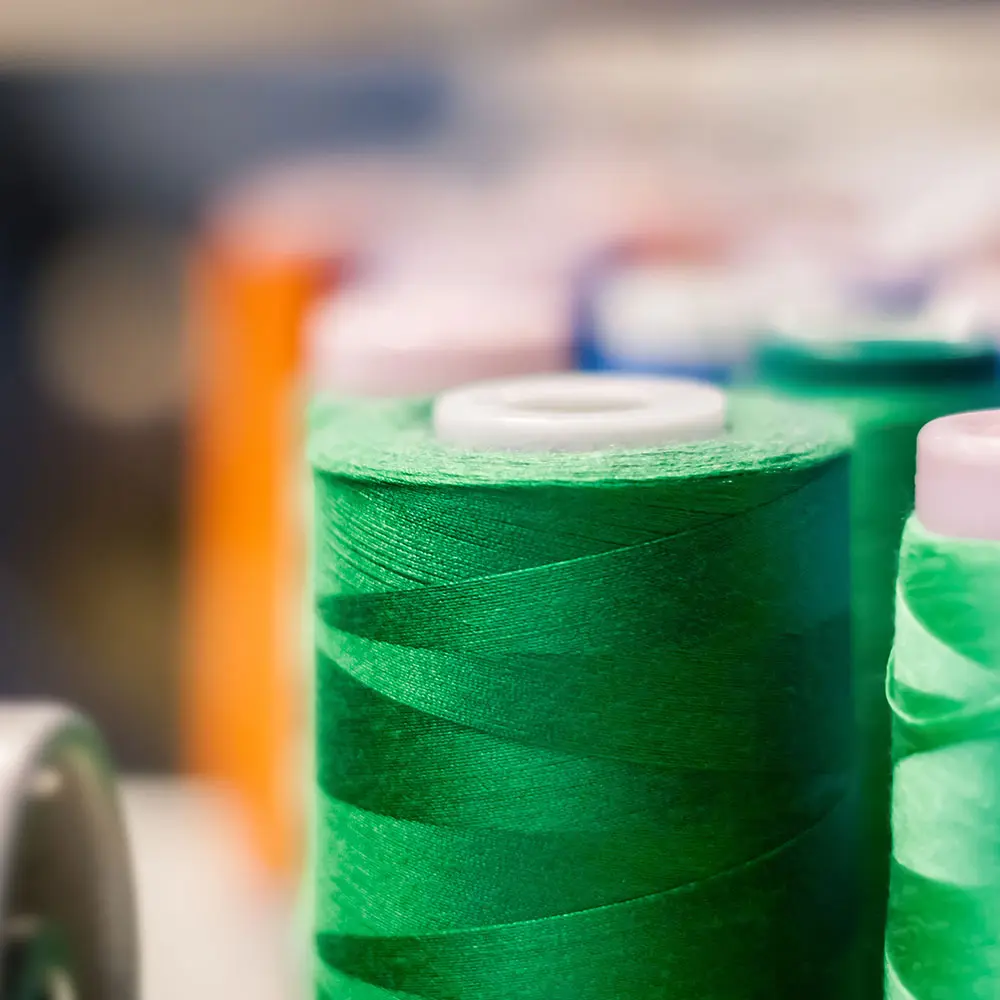
Energy procurement for mills and manufacturers
Energy is one of the largest operating costs in textiles manufacturing, with mills, dyehouses, and finishing plants running energy-intensive processes around the clock. Securing the right contract isn’t just about price, it’s about protecting margins, meeting sustainability goals, and keeping production moving without interruption.
Our energy traders understand the unique demands of the textiles sector, from weaving and spinning to dyeing and finishing. We’ll help you source clean, renewable energy and select the contract that best fits your business, whether that’s a cost-certainty fixed deal, a risk-managed flexible contract, or a shared flexible basket.
“We have been a customer of Businesswise now for around 9 years – the team are proficient in their field and traders are well informed of the markets – leaving us to trust them to manage our portfolio of products – we have a hands on approach still but they have no issue in regular meetings so we all understand the markets.”
Smarter energy management
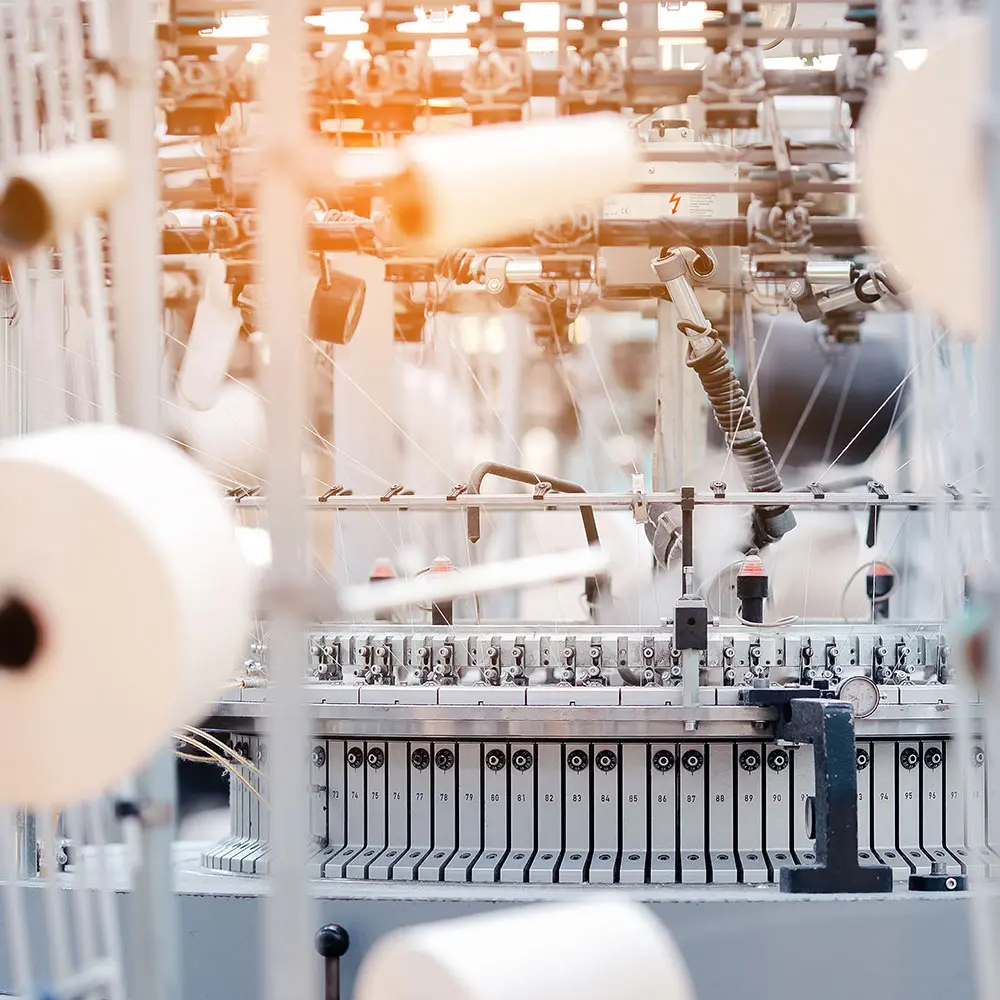
Textiles manufacturing is energy-intensive, with weaving, spinning, dyeing, and finishing processes all demanding large amounts of heat and power. By adopting a tailored energy management strategy, manufacturers can cut costs, reduce waste, and lessen their environmental impact, without compromising quality or output.
Our monitoring solutions give you real-time visibility of energy use across your production lines. From tracking machine performance to reviewing demand peaks and highlighting process inefficiencies, we help identify where improvements can be made – unlocking savings, boosting efficiency, and supporting your net zero commitments.
We worked with a textiles manufacturer to monitor and analyse energy use across one site. Using data from 84 submeters and 37 bridges, our team identified £598,869 in savings – equivalent to 27% of the site’s £2.2m spend.

Unmatched insight into your energy consumption
With rising scrutiny on carbon reporting and regulatory compliance, getting it right isn’t just about avoiding penalties, it’s about protecting margins, securing reliefs, and strengthening your sustainability credentials with customers and stakeholders.
Our compliance specialists understand the pressures textiles manufacturers face and ensure all evidence is accurate, timely, and audit-ready. We’ll help you unlock financial benefits through relief schemes while meeting your obligations under key frameworks.
Our compliance team are experts in:
- SECR
- CCA / CCL
- ESOS
- ESG policy
A textile manufacturer will save 20% on their electricity bills over the next five years, amounting to approximately £250k in total savings, which can be reinvested into the business. This was achieved with no upfront fees, providing zero-risk to the business.